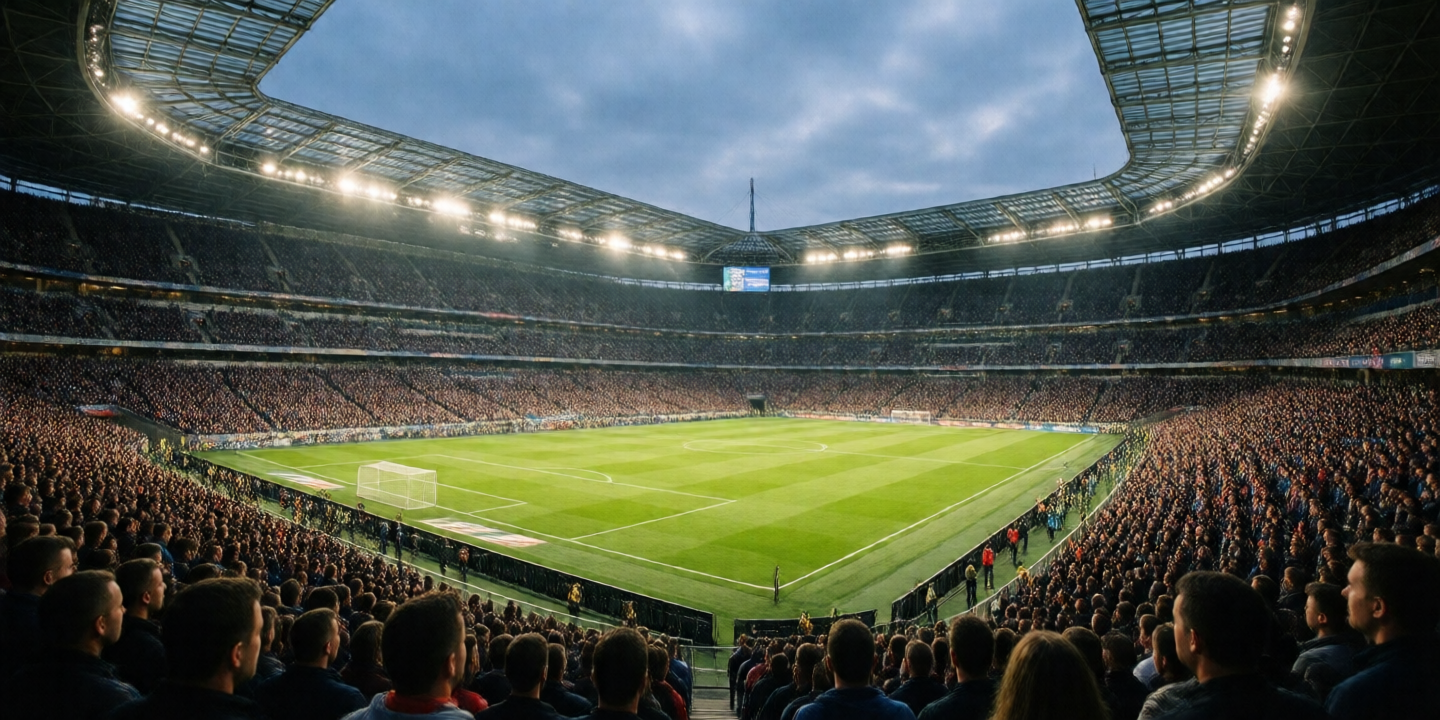
2026 Football World Cup: 5 Insights Fans Keep Missing
The 2026 FIFA World Cup is the first edition with 48 teams and 104 matches, and the smartest way to follow it depends on whether you want data, atmosphere or both. ESPN's schedule hub covers every fix...
2026 Football World Cup: 5 Insights Fans Keep Missing
The 2026 FIFA World Cup is the first edition with 48 teams and 104 matches, and the smartest way to follow it depends on whether you want data, atmosphere or both. ESPN's schedule hub covers every fixture, while host cities such as Los Angeles, with eight matches and 39 days of fan celebrations, turn the tournament into a local event. The FIFA Fan Festival at the LA Memorial Coliseum ran June 11–14, and the U.S. Men's National Team opened at SoFi Stadium on June 12. Pitch Notes compares these routes across schedule tracking, matchday atmosphere and planning effort so you can choose one without wasting a week of research. The takeaway is simple: use a schedule tool for information, use a fan zone for atmosphere, and treat any money you put on a match as a budgeted expense, never as income you are counting on.
Have you ever opened a World Cup schedule, seen 104 fixtures stacked on top of each other, and quietly closed the tab? Let me say this as a friend, late at night, no filter: that is exactly how most people lose the plot. They either drown in data or they chase a "once in a lifetime" trip without a plan. I track my football the way I track a portfolio, with a ledger of time, money and expected return, and the ledger says the tournament is a game of selection, not volume. Three routes, scored over three rounds, will show you what to pick. If you want the broader picture first, start with our [Internal Link: 2026 World Cup beginner's guide] and come back here for the verdict.

Ready to skip the noise? Here is the shortcut to everything Pitch Notes publishes on the tournament.
The Quick Comparison
Here is the scoreboard before the match starts. Each route is rated on what it does best, what it demands from you, and how long it stays useful. Read the table first, then the three rounds will explain the reasoning behind each cell.
| Route | Best for | Effort required | Window of value |
|---|---|---|---|
| Schedule hub (ESPN) | Tracking all 104 fixtures | Almost none | Entire tournament |
| Host-city matchday (Los Angeles) | Live intensity at one of eight matches | High: ticket, transport, lodging | One day per match |
| Fan Festival and Official Fan Zones | Shared atmosphere without a ticket | Low to medium | Festival June 11–14; zones across 39 days |
Round 1: Which Route Tracks the Schedule Best?
ESPN's FIFA World Cup schedule page wins on pure coverage. It lists every fixture in one filterable hub, so you can follow all 104 matches without hunting across sites. Its weakness is context: it tells you when teams play, not why a fixture matters for the group table.
That weakness is where most fans leak value. The ESPN FIFA World Cup schedule sits inside a league selector that lists well over a hundred competitions, from the FIFA Women's World Cup to the FIFA Club World Cup, so the first discipline is to lock the filter to the men's tournament before you plan anything. Next, understand the format. As the 2026 FIFA World Cup entry on Wikipedia outlines, 12 groups of four produce 72 group matches, and the top two in each group plus the eight best third-placed teams reach a new Round of 32. Here is my contrarian read, and I will defend it: the final group matchday, not the knockout stage, is where an informed fan has the most edge. Third place now carries real value, so teams that look "eliminated" on paper still play with live incentives, and a casual reader of the schedule never sees it. Pair the hub with our [Internal Link: group-stage tactics and team breakdowns] and you get both the "when" and the "why."

Want the tactical context the schedule lacks? Pitch Notes covers it match by match.
Round 2: Where Is the Atmosphere Better, Stadium or Fan Zone?
The fan zone wins on cost and duration, while the stadium wins on intensity. Los Angeles staged eight matches, but its Official Fan Zones and FIFA Fan Festival let people without tickets share the atmosphere across 39 days of celebrations. Choose the stadium only if you secured a ticket at face value.
Now the detail most guides skip. The official FIFA World Cup 26 Los Angeles site frames the pitch as "Eight matches. 39 days of fan celebrations. One unforgettable summer in Los Angeles." Read that sentence like an auditor: the 39 days belong to the whole program, not to the Fan Festival. The FIFA Fan Festival at the LA Memorial Coliseum in Exposition Park ran only June 11–14, with live matches, food and music from acts including Steve Aoki, Normani and Los Lobos. The long tail of the celebration lived in Official Fan Zones, the community watch parties across Los Angeles County. That is my second insight: anyone who planned a single "Fan Festival trip" for mid-tournament bought a ticket to the wrong event. The USMNT opener at SoFi Stadium on June 12 fell inside the festival window, so that weekend was the one real intersection of stadium and festival energy. Everything else was a fan-zone game.
- Stadium: highest intensity, one match per trip, ticket and transport risk.
- Fan Festival: four days, big-screen matches, headline music.
- Official Fan Zones: lowest cost, most dates, neighborhood scale.

Round 3: Who Wins on Planning Effort and Budget?
The schedule hub wins on planning effort because it costs nothing and needs no travel. Host-city trips demand hotels, transport and match-day logistics, which is why the LA organizers publish a Stadium Know Before You Go guide. Budget every route before kickoff, including any wager.
Think like an investor for a minute, because I do. A match-day trip has fixed costs, such as lodging, transit and food, and zero rebate. A fan-zone evening has near-zero fixed costs and you keep the upside of the atmosphere. The schedule hub has no cost at all, so its net position is permanently positive. Now apply the same ledger to betting, since Pitch Notes readers ask about it constantly. Track turnover separately from net position, because a busy month of small stakes can show impressive turnover and still sit below zero once margin is counted. Any "official" promise of a rebate or bonus deserves a read of the wagering terms before you count it as value. Stay inside your local laws and the legal age, set a stake limit in advance, and if a match is only fun with money on it, step away. Our [Internal Link: bankroll and responsible betting guide] walks through a simple staking plan, and the [Internal Link: World Cup match predictions hub] keeps your pre-match research in one place.
- Decide the budget before you open any betting page.
- Log turnover and net result for every match, win or lose.
- Never chase a loss with a bigger stake on the next kickoff.
Prefer research over guesswork on matchday? Take a look at the daily notes.
The Final Score & Who Should Pick What
Tally the rounds. The schedule hub takes Round 1 and Round 3, the fan zone takes Round 2 on duration and value, and the stadium takes the single highest-intensity moment while losing on cost. No route wins everything, which is the point: you stack them. Use the hub as your backbone, add a fan zone for the matches you care about, and reserve the stadium for one fixture you can afford to lose money on emotionally and financially.
- Data-first fan: the ESPN schedule hub plus Pitch Notes analysis.
- Atmosphere-first fan: Official Fan Zones, with the Fan Festival if the dates line up.
- Once-only traveler: one stadium match, planned with the official Know Before You Go guidance.
- Bettor: all of the above, with a written budget and a hard stop.
That is the whole verdict, with nothing hidden. If you want the next tournament covered with the same discipline, follow our daily coverage.
Frequently Asked Questions
Q: What is different about the 2026 football World Cup?
A: It is the first World Cup with 48 teams and 104 matches. Twelve groups of four play 72 group matches, and the top two per group plus the eight best third-placed teams advance to a new Round of 32. That means more matches, more simultaneous kickoffs on the final group matchday, and a third-place table that matters.
Q: How do I follow every match in one place?
A: Use ESPN's FIFA World Cup schedule page and filter to the men's tournament. The page covers every fixture, and its league selector includes dozens of other competitions, so check the filter before reading kickoff times. Add Pitch Notes for tactical context, because a schedule shows when a match is played but not what is at stake.
Q: How many World Cup matches did Los Angeles host?
A: Los Angeles hosted eight matches. The U.S. Men's National Team opened at SoFi Stadium on June 12, and the city also ran the FIFA Fan Festival at the LA Memorial Coliseum on June 11–14. Official Fan Zones across Los Angeles County carried the celebration through 39 days.
Q: What is the difference between the Fan Festival and a Fan Zone?
A: The FIFA Fan Festival was a large, four-day event at the LA Memorial Coliseum, while Official Fan Zones were community watch parties spread across the region. The festival offered live matches, food and headline music. Fan zones were smaller and closer to home, which made them cheaper to attend and available on more dates.
Q: Is attending a World Cup match worth the cost?
A: It is worth it only if the ticket is at face value and you treat the trip as entertainment, not an investment. You pay for the ticket, lodging and transport, with no financial return. For most fans, a fan zone gives about 80 percent of the atmosphere at a fraction of the spend.
Q: What should I do if my World Cup betting budget runs out mid-tournament?
A: Stop betting and do not top up. A budget that runs out has done its job, and topping up turns a limit into a suggestion. Review your turnover and net result, and wait for the next tournament or a fresh month. If betting stops being fun, use your operator's limit tools or contact a local support service.
